


A Cultural Odyssey: Understanding the Art, Dance, and Daily Life of Bali
Bali is often celebrated for its breathtaking beaches and lush tropical landscapes, but what truly defines the island is its rich culture and the deeply rooted traditions reflected in the Daily Life of Bali. Beyond the vibrant tourist hubs, the island thrives on a harmonious balance between spirituality, community, art, and everyday living. This unique rhythm of life is what makes Balinese culture so captivating to the world.
The Role of Spirituality in Daily Life
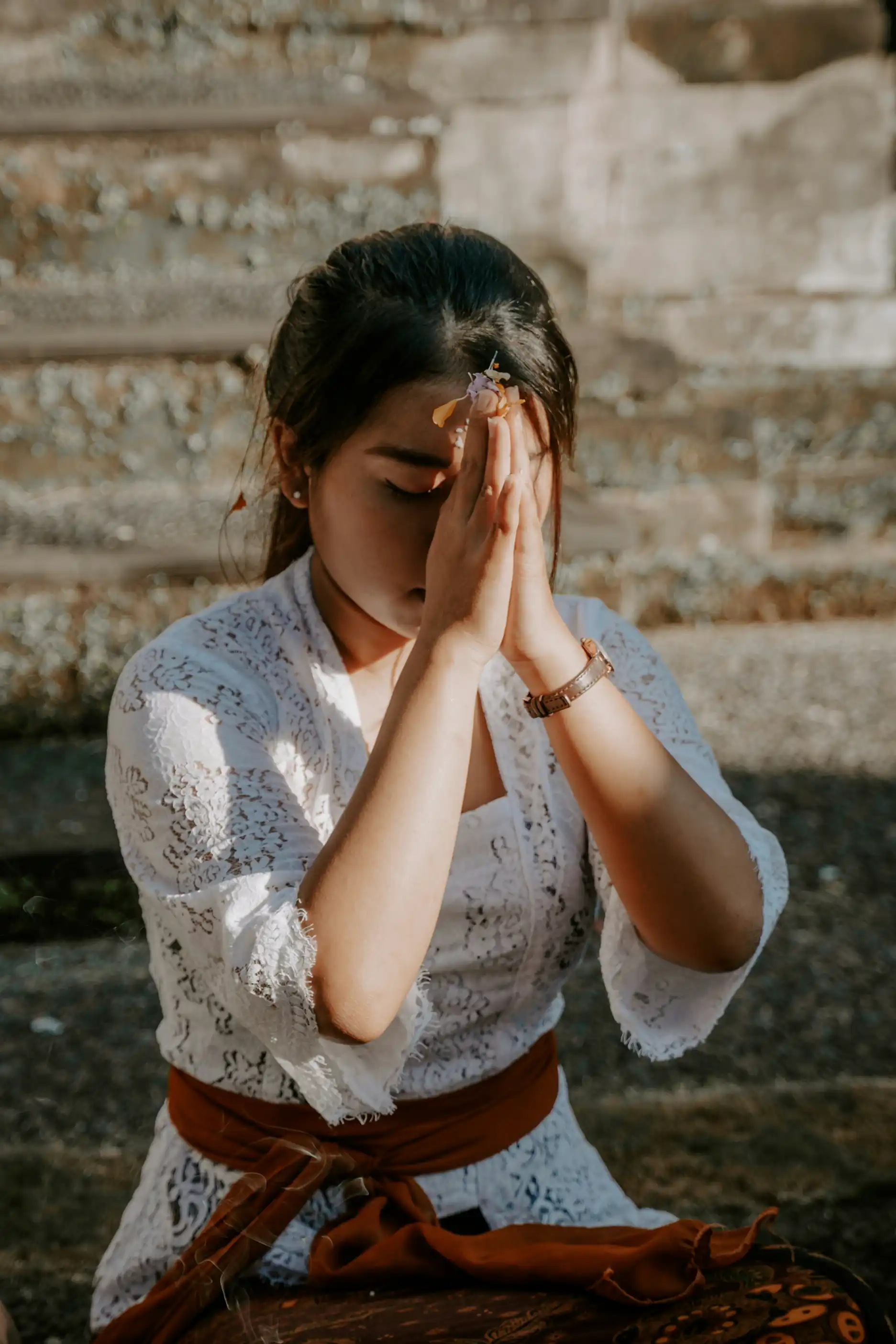
Spirituality plays a central role in the Daily Life of Bali. Most Balinese people practice Hinduism, and their devotion can be seen in the daily offerings known as canang sari. These small, beautifully crafted offerings are placed in homes, temples, shops, and streets as a symbol of gratitude and connection with the divine. Religious ceremonies, temple festivals, and rituals are frequent and form the heartbeat of Balinese society, reinforcing unity and spiritual balance.
Community and Family: The Heart of Balinese Culture
Balinese life is strongly community-oriented. Families traditionally live in a Balinese compound, where multiple generations share space and responsibilities. Community values are reflected through banjar, or village organizations, where locals gather to discuss social matters, organize ceremonies, and strengthen social bonds. Respect for elders, cooperation, and togetherness are key elements that shape the Daily Life of Bali.
Art and Dance as a Living Tradition
Art is not just entertainment in Bali; it is a way of life. From traditional dances like Legong and Barong to intricate wood carvings, paintings, and stone sculptures, creativity flows through everyday living. Balinese dances are more than performances—they tell stories of mythology, spirituality, and cultural history. These artistic expressions continue to thrive because they are woven into ceremonies, celebrations, and cultural education.
Cultural Harmony in Modern Bali
Even with the rise of tourism and modernization, the Daily Life of Bali manages to maintain a delicate balance between tradition and progress. Locals skillfully adapt to change while preserving their heritage. Traditional markets still buzz with activity, farmers continue rice cultivation using ancient irrigation systems known as subak, and cultural learning remains an important part of growing up in Bali.
Conclusion
Exploring the Daily Life of Bali offers a deeper understanding of the island beyond its popular tourist attractions. It is a life guided by faith, enriched by art, supported by community, and grounded in tradition. This cultural depth is what makes Bali not only a beautiful destination to visit but also an inspiring place to learn about harmony, heritage, and the beauty of everyday life.